What Happened When We Made Sunday Breakfast a Family Cooking Project
Quick answer: Turning Sunday breakfast into a shared family cooking project, with each person responsible for one specific part of the meal, made mornings genuinely messier but also noticeably more connected, and became a ritual the kids now look forward to rather than a chore to get through quickly. Sunday breakfast used to be a fairly rushed, functional affair, me cooking quickly while everyone else waited somewhat impatiently at the table, more of a transaction than anything resembling togetherness.
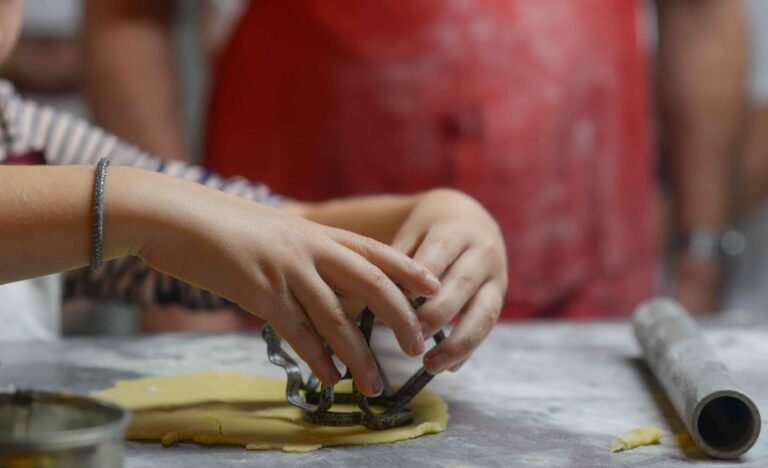
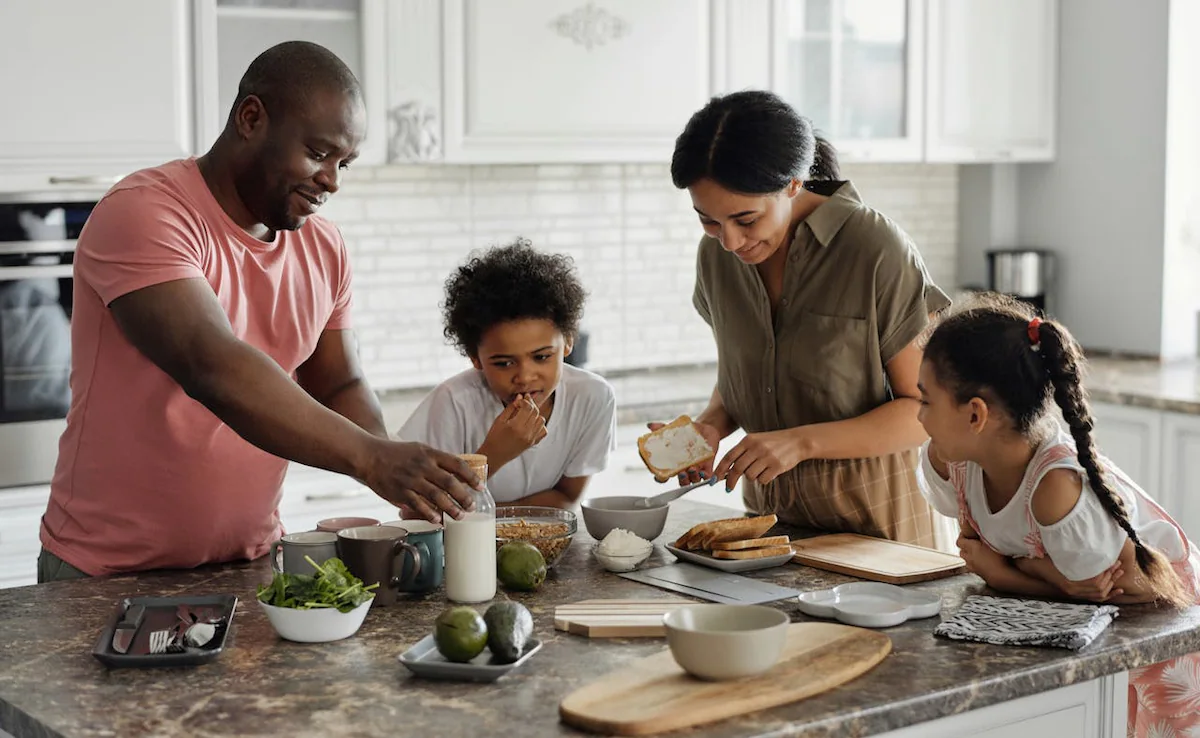
The shift started almost by accident, when my daughter asked to help crack eggs one Sunday, and by the time we’d finished, both kids and my husband had somehow ended up with a specific task, eggs, toast, fruit, setting the table, and the whole process had taken twice as long but felt entirely different.
We’ve kept doing it most Sundays since, and while it’s genuinely messier and slower than me just cooking alone, the actual experience of the morning has changed in a way that’s made the extra time and mess feel entirely worth it.
What Actually Changed About the Morning
Giving each person a specific, defined task, rather than everyone just generally “helping,” made the process genuinely manageable despite involving four people in a kitchen not really built for that many cooks at once. My son, in charge of toast, has taken his single job with a seriousness that’s genuinely endearing, checking on it repeatedly like it’s a critical mission.
The conversation that happens naturally during the cooking, rather than only once everyone’s seated, has turned out to be some of our most genuine daily talk time, since everyone’s occupied with a task but still physically together and naturally chatting as they work.
We also noticed the kids started taking a bit of pride in “their” part of the meal, my daughter announcing the eggs were ready the way a chef might present a dish, which added a small, unexpected layer of fun to what used to be a purely functional morning task.
The Mess and Time Trade-Off That’s Actually Worth It
I won’t pretend this hasn’t made Sunday mornings genuinely messier and slower, cleanup alone takes considerably longer than it used to, and there’s an adjustment period where four people in one kitchen means more chaos than efficiency.
But the trade-off has felt worth it consistently enough that we’ve kept doing it, since the connection built during the actual cooking process, not just the eventual shared meal, has become something the kids specifically look forward to and ask about during the week, which a faster, solo-cooked breakfast never managed to produce.
We’ve settled into a rough rhythm now where the initial chaos of the first few weeks has smoothed out considerably, everyone generally knows their role, and what once felt like barely controlled chaos now feels more like a genuinely enjoyable, if still slightly messy, Sunday habit.
Parent Tip
Parent Tip: Assign one specific, clearly defined task per person rather than a vague invitation to “help.” A defined role, even something as simple as toast duty, gives a young child real ownership and keeps a crowded kitchen from becoming pure chaos.
Quick Comparison
| Before | After |
| One person cooking quickly, others waiting | Each person responsible for one specific task |
| A rushed, functional meal | A slower, genuinely connected morning |
| Conversation only once seated | Natural conversation during the cooking itself |
| Quick cleanup | Longer cleanup, but worth the trade-off |
Practical Tips
- Give each family member one specific, well-defined task rather than a vague invitation to help.
- Expect a genuine adjustment period, the first few attempts are usually messier and slower than later ones.
- Let kids take real ownership and pride in their specific part of the meal, even something simple like toast.
- Build in extra time for cleanup, since a shared cooking project naturally takes longer than one person cooking alone.
Common Mistakes to Avoid
- Asking everyone to generally “help” without assigning specific tasks, which tends to create more chaos than connection.
- Expecting the first attempt to run smoothly, when a genuine adjustment period is normal for a new shared routine.
- Rushing to finish quickly, which undercuts the actual point of the exercise, the connection built during the process.
The Short Version
Turning Sunday breakfast into a shared cooking project, with each family member responsible for one specific task, made mornings genuinely messier and slower, but built a kind of natural, ongoing connection during the cooking itself that a faster, solo-cooked breakfast never managed to create, and it’s become something the kids now genuinely look forward to.
Related Reading on PlayAndGrow
our full guide to healthy lunch box ideas for picky eaters
high protein breakfast ideas for kids (age-wise)
5-minute breakfast recipes for busy school mornings
simple recipes for kids to help make, by age
FAQs
How can cooking together work with young kids in the kitchen?
Giving each person one specific, defined task, rather than everyone generally “helping” at once, tends to make a shared cooking project manageable even with multiple kids involved.
Is a family cooking morning worth the extra time and mess?
Many families find the trade-off worthwhile, since the genuine connection built during the actual cooking process, not just the final shared meal, tends to be something kids specifically remember and look forward to.
What is a simple task to give a young child during family cooking?
Something simple and low-risk, like arranging fruit, setting the table, or supervising toast, gives a young child genuine ownership over part of the meal without requiring advanced kitchen skills.
Does it get easier after the first few attempts?
Yes, in our experience the initial chaos of the first few weeks smoothed out considerably once everyone settled into a familiar role, making later mornings noticeably more efficient than the first attempts.