Easy Drawing Ideas for Kids by Age: Fun Sketches for Every Stage
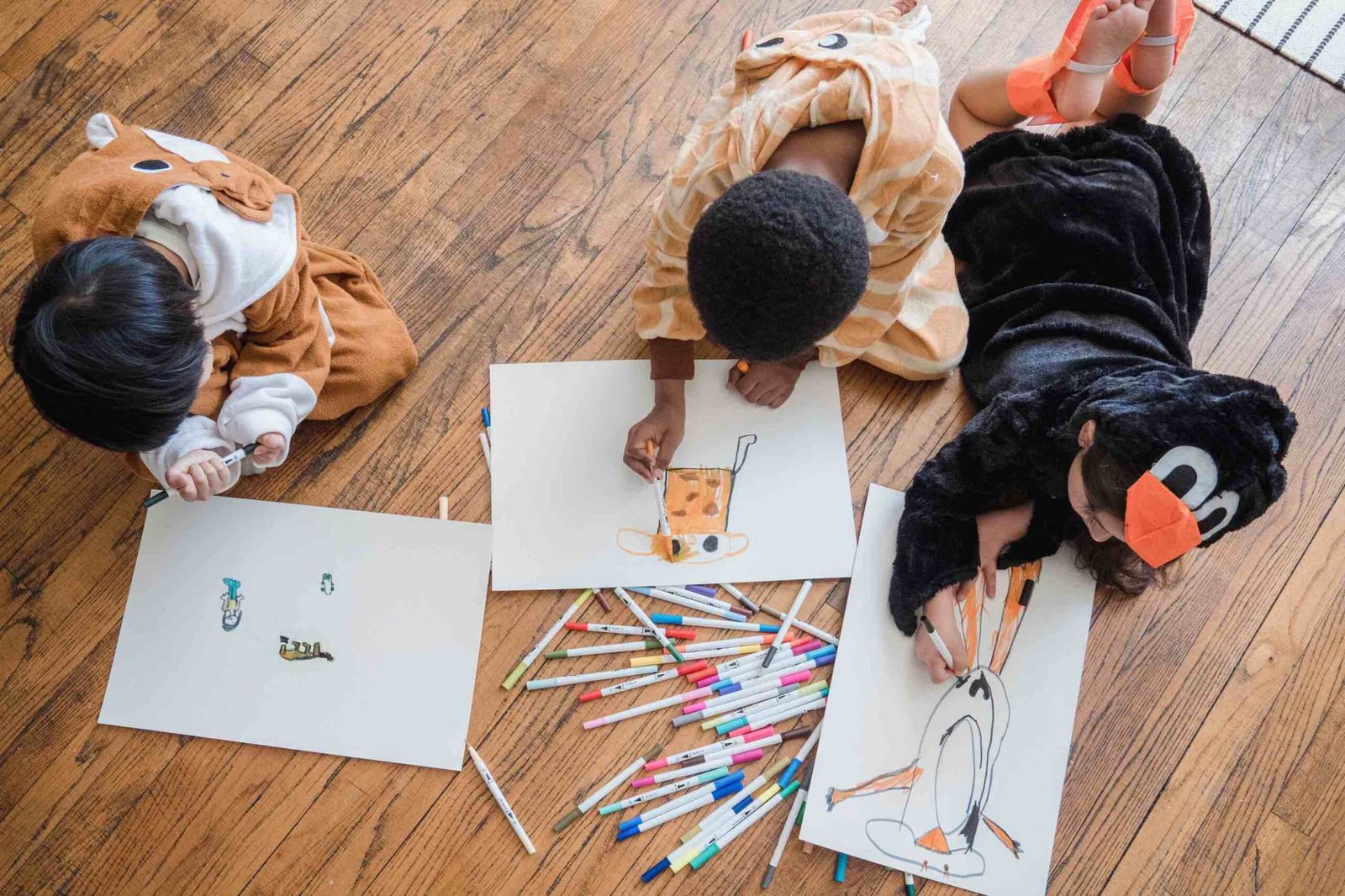
Quick answer: Good age-matched drawing ideas range from simple shape-tracing and scribbling for toddlers, to basic recognizable objects for preschoolers, to more detailed scenes and characters for school-age kids. Matching the prompt’s complexity to actual current skill matters more than any specific drawing idea itself.
Drawing Ideas Sorted by Age
1. Ages 2-3: Shapes and Scribbles — Simple circle and line tracing, or open-ended scribbling with big, easy-to-grip crayons, matches this age’s developing fine motor control without expecting recognizable results yet.
2. Ages 4-5: Simple Recognizable Objects — A basic sun, a simple house shape, or a smiley-face person are all achievable, satisfying drawing goals at this age, giving a young artist a genuine sense of accomplishment from a recognizable result.
3. Ages 6-7: Adding Detail and Simple Scenes — Drawing a favorite animal with a few added details, or a simple scene like a house with a tree and sun, introduces basic composition and detail without requiring advanced technique.
4. Ages 8-9: Characters and Storytelling — Inventing an original character with a specific personality, or drawing a simple comic strip with two or three panels, engages both drawing skill and creative storytelling at this stage.
5. Ages 10+: More Detailed, Personal Projects — A detailed self-portrait, a drawing based on a specific memory, or experimenting with basic shading and perspective suit the more developed fine motor control and creative ambition typical at this age.
| Age Range | Best Drawing Focus |
| 2-3 years | Shape tracing, open scribbling |
| 4-5 years | Simple, recognizable objects |
| 6-7 years | Adding detail, simple scenes |
| 8-9 years | Characters, basic storytelling |
| 10+ years | Detailed, personal projects |
Fast Tips
- Match the drawing prompt to your child’s actual current skill level, not just their age on paper.
- Avoid correcting or “fixing” a young child’s drawing, since the process matters more than a polished result at early ages.
- Offer open-ended prompts alongside specific ones, letting a child choose their own subject sometimes.
- Display or save finished drawings somewhere visible, which tends to build genuine motivation to keep drawing.
Related Reading on PlayAndGrow
What drawing activities are good for a 3-year-old?
Simple shape tracing and open-ended scribbling with easy-to-grip crayons match a 3-year-old’s developing fine motor control, without the pressure of producing a recognizable result yet.
When can kids start drawing recognizable objects?
Many kids begin drawing simple, recognizable shapes like a sun or a basic house around ages 4-5, though this varies by individual development.
How can I encourage an older child to keep drawing?
Offering more detailed, personal prompts, like a self-portrait or a drawing based on a specific memory, and displaying finished work, tend to keep older kids genuinely motivated to continue drawing.



One Comment
Comments are closed.