How to Wish Guru Purnima to Your Child’s Teacher
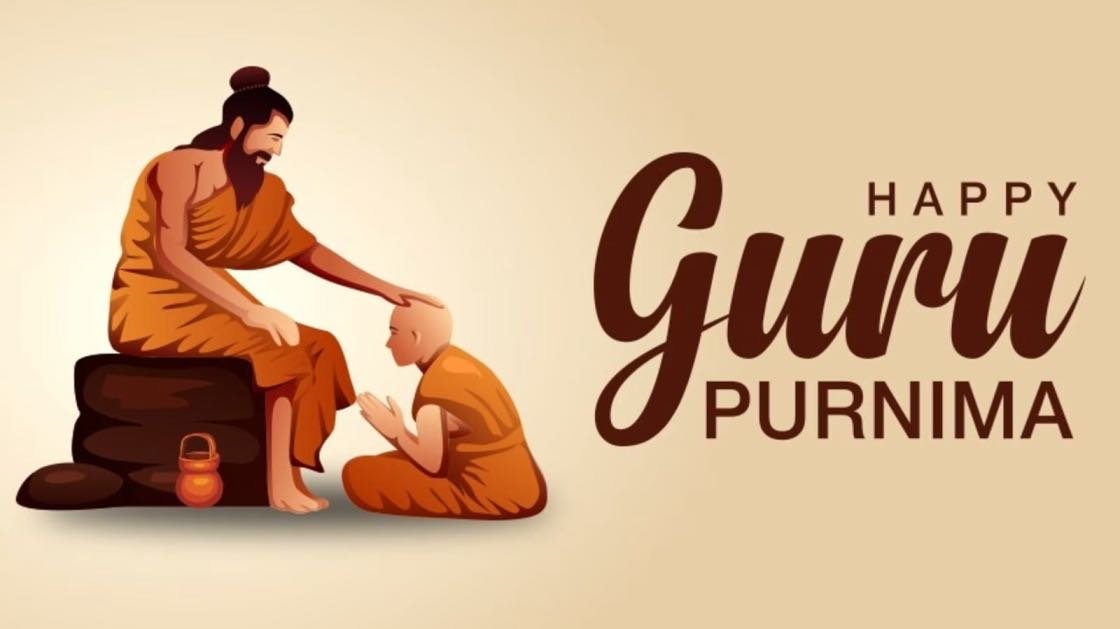
Quick answer: The most common question I get is whether a Guru Purnima wish to a teacher should come from the parent, the child, or both. In our experience, a short message from the child, even dictated for a younger one, paired with a brief, genuine note from the parent, tends to land better than either alone.
I used to send a fairly generic “Happy Guru Purnima” message to my kids’ teachers each year, mostly out of a sense that I should say something, without putting much real thought into what that message should actually communicate.
Q: Should the wish come from the parent or the child?
A message genuinely from the child, even a simple, dictated one for a younger child who can’t yet write, tends to mean more to a teacher than a purely parent-written note, since teachers often say the child’s own words, however simple, feel like the more meaningful gesture.

Q: What should actually be included in the message itself?
Mentioning something specific, a particular lesson, a moment of patience, a specific way the teacher has helped that year, makes a wish feel genuine rather than generic (see our related guide on Guru Purnima wishes and thank you messages for teachers for more specific message examples by age).
Also Read:
Best Friendship Stories with Moral for Kids to Inspire Kindness and Trust
Friendship Day Essay for Students (100, 200, and 500 Words)
Why Do We Celebrate Friendship Day? A Simple Explanation for Kids
Friendship Day Celebration Ideas at School That Kids Will Always Remember
Friendship Day Quotes and Speech for Kids: Inspiring Words for School & Celebrations
Friendship Day Games for the Classroom
Friendship Day Craft Ideas: DIY Friendship Bands for Kids
Q: Is it appropriate to send a wish over text or WhatsApp, or should it be in person?
Both work well depending on your relationship with the teacher and the school’s own communication norms, though an in-person or handwritten note tends to feel more personal, while a text message is a genuinely appropriate, low-pressure option if in-person isn’t practical that day.
Q: Should parents send a separate message from the child’s own gesture?
A brief, separate note from the parent, distinct from whatever the child has made or written, acknowledges the teacher’s effort from an adult’s perspective too, and many teachers appreciate hearing directly from a parent, not just receiving a child’s card.
| Who’s Wishing | Best Format |
| Young child (can’t write yet) | Dictated message on a card, delivered in person |
| Older child | A handwritten note or card, in their own words |
| Parent | A brief separate text, note, or in-person comment |
| Whole class | A collective card or thank you wall contribution |
Bottom Line
The most meaningful Guru Purnima wishes to a teacher tend to combine a genuine, specific message from the child, even a simple dictated one, with a brief, separate acknowledgment from the parent, rather than relying on one generic message to cover the whole gesture.
What if my child doesn’t want to write or say anything specific?
A simple, sincere “thank you for teaching me this year” is genuinely enough — the wish doesn’t need to be elaborate to feel meaningful, and gently prompting one small specific detail, without forcing it, can help if your child is open to it.
Is it okay to wish a teacher Guru Purnima over text?
Yes, a text or WhatsApp message is a genuinely appropriate option if an in-person or handwritten gesture isn’t practical, especially paired with a specific, genuine sentiment rather than a copied generic message.