
Dad’s Sunday Morning Ritual That Became Our Family’s Favorite Tradition
Quick answer: My husband’s habit of taking the kids for a simple Sunday morning walk to the local bakery, just the three of them, started almost by accident but became a genuine weekly tradition, largely because it gave him one-on-one time with each kid on a rotating basis without needing to plan anything elaborate. It started because I was genuinely exhausted one Sunday morning and asked my husband to just take the kids out for an hour so I could have some quiet time, no specific plan, just get them out of the house.
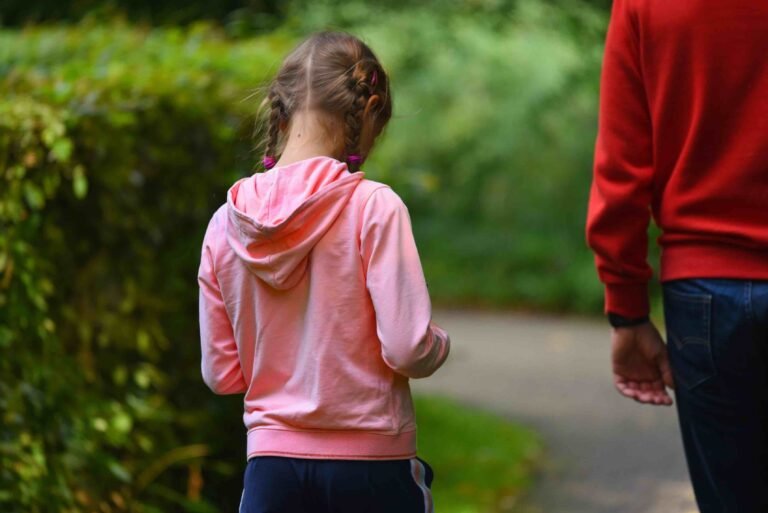
He ended up walking them to a small bakery a few blocks away, more out of convenience than any deliberate plan, and they came back with pastries, muddy shoes, and an oddly specific story about a dog they’d met along the way that both kids retold enthusiastically over lunch.
The following Sunday, without either of us really deciding it should become a thing, my son asked if they were doing “the bakery walk” again, and that offhand question is really what turned an accidental morning out into something we now genuinely plan our Sunday mornings around.
Why This Particular Ritual Stuck
Part of what’s made it last, I think, is that it stayed genuinely simple, a walk and a treat, rather than growing into something elaborate that would eventually feel like a burden to maintain. My husband has kept it low-key on purpose, resisting the urge to turn it into a bigger production once he noticed how much the kids valued its simple, predictable rhythm.
It’s also become something that rotates naturally between giving him one-on-one time with each kid, since some Sundays it’s just him and our daughter, or just him and our son, when the other has a different commitment, which has quietly built individual connection alongside the group tradition.
The kids have started adding small variations of their own too, a different route some weeks, stopping to look at a particular garden along the way, which has kept the tradition feeling fresh without either of us having to actively plan any of it.
What It’s Meant for Him as a Dad
My husband has told me, a bit unexpectedly, that this small weekly ritual has become genuinely important to him too, not just something he does for the kids, but something that’s become a real anchor point in his own week, a consistent, low-pressure block of time with them that his work schedule doesn’t otherwise easily allow.
Watching this develop has also shifted how I think about what a meaningful family tradition actually requires, not an elaborate plan or a special occasion, but something small, repeated, and genuinely enjoyed by everyone involved, which this simple walk has turned out to be far more than I expected from something that started as a way to get an hour of quiet.
What strikes me most, looking back, is that none of this was planned in any deliberate sense. It emerged from one tired Sunday morning and stuck because it was simple enough to repeat without either of them feeling like it was a chore.
Parent Tip
Parent Tip: If you’re trying to build a similar one-on-one tradition, resist the urge to plan it too carefully at first. Some of the best rituals in our house started as an unplanned, low-stakes outing that simply got requested again the following week.
Quick Comparison
| What Made It Work | Why It Mattered |
| Stayed genuinely simple | Didn’t become a burden to maintain weekly |
| Consistent, predictable rhythm | Kids came to rely on and request it |
| Naturally rotated to one-on-one time | Built individual connection, not just group time |
| Low-pressure, no elaborate planning | Became sustainable long-term, not a one-off event |
Practical Tips
- Let a simple, low-effort activity repeat itself rather than trying to plan an elaborate weekly tradition from scratch.
- Notice when kids start asking for a repeat, that’s usually the clearest sign a tradition is genuinely forming.
- Let the ritual rotate into one-on-one time naturally when it makes sense, rather than insisting it always include everyone.
- Allow small variations over time, kids often add their own touches that keep a simple tradition feeling fresh.
Common Mistakes to Avoid
- Trying to plan a big, elaborate tradition from the outset instead of letting a small one emerge naturally.
- Turning a simple ritual into a bigger production once it becomes popular, which can make it harder to sustain.
- Assuming a tradition needs to always include the whole family rather than allowing it to rotate into individual time.
The Short Version
A simple, accidental Sunday morning walk to a local bakery, started mostly out of necessity for a bit of quiet time, became our family’s genuine weekly tradition, largely because it stayed simple and predictable rather than growing into something elaborate, and because it naturally gave my husband one-on-one time with each kid over time.
Related Reading on PlayAndGrow
how to help your child make friends in a new neighborhood
best activities for 9-year-olds at home
best activities for 4-year-olds at home
the boy who never gave up, a motivational story for kids
FAQs
Do family traditions need to be elaborate to be meaningful?
No, in our experience, a small, simple, consistently repeated activity tends to become more genuinely meaningful over time than an elaborate one-off event, largely because of its predictability and low-pressure nature.
How can dads build a specific one-on-one tradition with kids?
Starting with something genuinely simple and low-effort, like a short walk or a shared errand, and repeating it consistently, tends to build a real tradition more reliably than planning something bigger and less sustainable.
Should a family ritual involve all the kids together every time?
Not necessarily — some of the most meaningful moments can come from a ritual that naturally rotates into one-on-one time occasionally, alongside the group version, without needing to be rigidly planned that way.
How do you know if a new routine is becoming a real family tradition?
One of the clearest signs is when a child asks for it again unprompted the following week, which is usually a better indicator than anything the parents planned or intended.